The Science Behind Emulsifiers and Their Significance in Everyday Products
Emulsifiers are crucial parts that make it possible for the mixing of oil and water, 2 usually immiscible substances. Their one-of-a-kind molecular framework enables them to lower surface stress, producing steady solutions in various items. This function is vital for maintaining the preferred structure and quality in food, cosmetics, and drugs. emulsifiers. As the need for ingenious formulations expands, comprehending the scientific research behind emulsifiers comes to be significantly essential. What implications might this have for future item advancement?

What Are Emulsifiers?
Emulsifiers are compounds that make it possible for the mixing of 2 immiscible liquids, such as oil and water, creating a stable mix referred to as an emulsion. These representatives play a crucial duty in various markets, consisting of food, cosmetics, and pharmaceuticals. Emulsifiers possess special molecular frameworks, typically featuring both hydrophilic (water-attracting) and hydrophobic (water-repelling) parts. This dual nature enables them to connect with both sorts of liquids, assisting in the development of solutions and stopping splitting up.
Common examples of emulsifiers consist of lecithin, generally discovered in egg yolks, and mono- and diglycerides, which are usually used in baked goods. In foodstuff, emulsifiers boost texture and uniformity, improving overall high quality. In cosmetics, they assist in producing secure creams and creams. The versatility of emulsifiers makes them necessary in producing a wide variety of daily products, making certain that various ingredients blend effortlessly for perfect efficiency and customer contentment.
How Do Emulsifiers Function?
Exactly how do emulsifiers develop secure combinations from 2 typically unmixable liquids? Emulsifiers operate by decreasing the surface area stress between oil and water, which are inherently inappropriate due to their molecular frameworks. They have both hydrophilic (water-attracting) and hydrophobic (water-repelling) properties, allowing them to engage with both phases. When an emulsifier is introduced to a mixture of oil and water, its particles place themselves at the interface, with the hydrophilic end in the water and the hydrophobic end in the oil. This setup stabilizes the solution by stopping the oil beads from integrating and dividing from the water stage. The outcome is an uniform combination, referred to as a solution, which can be either oil-in-water or water-in-oil, depending upon the primary stage. Because of this, emulsifiers play a vital role in different items, ensuring uniformity and stability in formulations varying from food items to cosmetics.
Kinds of Emulsifiers in Food Products
In the domain name of food production, various kinds of emulsifiers are employed to enhance structure, stability, and overall high quality. These emulsifiers can be categorized mainly into synthetic and natural types. Natural emulsifiers, such as lecithin, originated from soybeans or egg yolks, are generally made use of in products like mayo and chocolates. They are preferred for their clean label appeal and useful advantages.
Artificial emulsifiers, like mono- and diglycerides, are often used in processed foods for their cost-effectiveness and flexibility. These compounds aid keep the desired uniformity in items such as margarine and salad dressings. Additionally, polysorbates, one more category of synthetic emulsifiers, enhance the security of solutions in ice creams and sauces. Each sort of emulsifier plays an important duty in guaranteeing the preferred sensory features and shelf-life of foodstuff, inevitably improving the customer experience.
The Role of Emulsifiers in Cosmetics
While the main feature of emulsifiers in cosmetics is to mix oil and water-based components, their influence expands beyond plain stablizing. Emulsifiers work as crucial elements that boost the appearance and consistency of items such as lotions, products, and creams. By producing a secure combination, they allow for consistent circulation of energetic ingredients, ensuring that consumers get the desired advantages of the solution.
Emulsifiers add to the sensory experience of cosmetic items. They can influence the feel and absorption of an item on the skin, offering a smoother application and a more enticing surface. Furthermore, emulsifiers play a function in prolonging the service life of cosmetics by avoiding the splitting up of ingredients, consequently keeping his comment is here item stability in time. This stabilization is essential for customer safety and security and effectiveness, making emulsifiers crucial in the solution of top quality cosmetic items.
Advantages of Using Emulsifiers
Emulsifiers provide various benefits that prolong beyond their foundational duty in cosmetics. These substances improve the security and appearance of different products, guaranteeing a consistent uniformity that is functionally effective and visually enticing. In food products, emulsifiers contribute to improved mouthfeel and prolong service life by avoiding separation of active ingredients, which is important for preserving top quality and safety. Furthermore, emulsifiers can assist in the absorption of nutrients in dietary formulations, enhancing their wellness benefits.
In the pharmaceutical market, emulsifiers play a basic role in drug delivery systems, boosting the bioavailability of active ingredients. They likewise assist in developing individual care items, ensuring that active components are evenly distributed for maximum efficacy. In general, the incorporation of emulsifiers substantially enhances product performance throughout diverse applications, making them essential in daily products. Their multifunctional nature underscores their significance in enhancing both consumer experience and item durability.
Common Emulsifiers and Their Resources

On the other hand, artificial emulsifiers like mono- and diglycerides are obtained from glycerol and fats. These emulsifiers are commonly made use of in processed foods for their efficiency and cost-efficiency. Polysorbates, another artificial alternative, are widely employed in various applications, consisting of drugs and cosmetics. Each type of emulsifier serves details useful duties, ensuring security and uniformity in the solutions of day-to-day products.
Future Fads in Emulsifier R & D
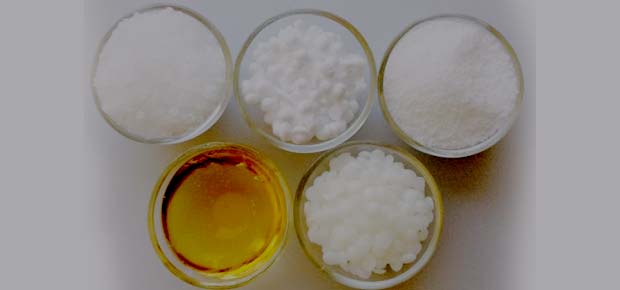
In addition, breakthroughs in biotechnology are paving the way for the development of customized emulsifiers that improve security and structure while minimizing ecological influence. This pattern is enhanced by a growing rate of interest being used waste materials from food manufacturing as potential emulsifier resources, therefore promoting a round economy.
In addition, customer recognition relating to health and wellness is driving the need for emulsifiers that support nutritional profiles, such as those that can provide functional advantages - emulsifiers. As these fads advance, the future of emulsifier study will likely emphasize both sustainability and functionality, satisfying the altering needs of customers and markets alike
Frequently Asked Inquiries
Are Emulsifiers Safe for Intake in Food Products?
Emulsifiers are usually thought about safe for usage in food products. Governing companies examine their usage, ensuring they fulfill safety requirements. Private sensitivities might differ, necessitating caution for those with certain dietary constraints or allergies.
Can Emulsifiers Reason Allergies in Some Individuals?

How Do Emulsifiers Impact the Life Span of Products?
Emulsifiers improve item security by protecting against splitting up of active ingredients, which can prolong rack life. Their capability to keep harmony assists secure flavors and textures, eventually adding to the longevity of numerous food and cosmetic items.
Are There Natural Alternatives to Synthetic Emulsifiers?
Natural options to synthetic emulsifiers consist of components like lecithin, guar gum, and xanthan gum tissue. These materials can efficiently support blends, supplying alternatives for those seeking to prevent synthetic ingredients while keeping item consistency advice and high quality.
What Rules Control making use of Emulsifiers in Food and Cosmetics?
Emulsifiers in view food and cosmetics are controlled by firms like the FDA and EFSA, which develop security evaluations, allowable quantities, and labeling requirements to ensure customer safety and security and product efficiency throughout numerous markets.
In food items, emulsifiers enhance appearance and uniformity, improving overall high quality. Furthermore, emulsifiers play a duty in prolonging the rack life of cosmetics by stopping the splitting up of components, consequently preserving item stability over time. In food items, emulsifiers add to improved mouthfeel and prolong shelf life by stopping splitting up of components, which is vital for keeping top quality and safety. On the whole, the incorporation of emulsifiers greatly improves item performance throughout varied applications, making them important in daily products. Emulsifiers are usually taken into consideration risk-free for intake in food products.